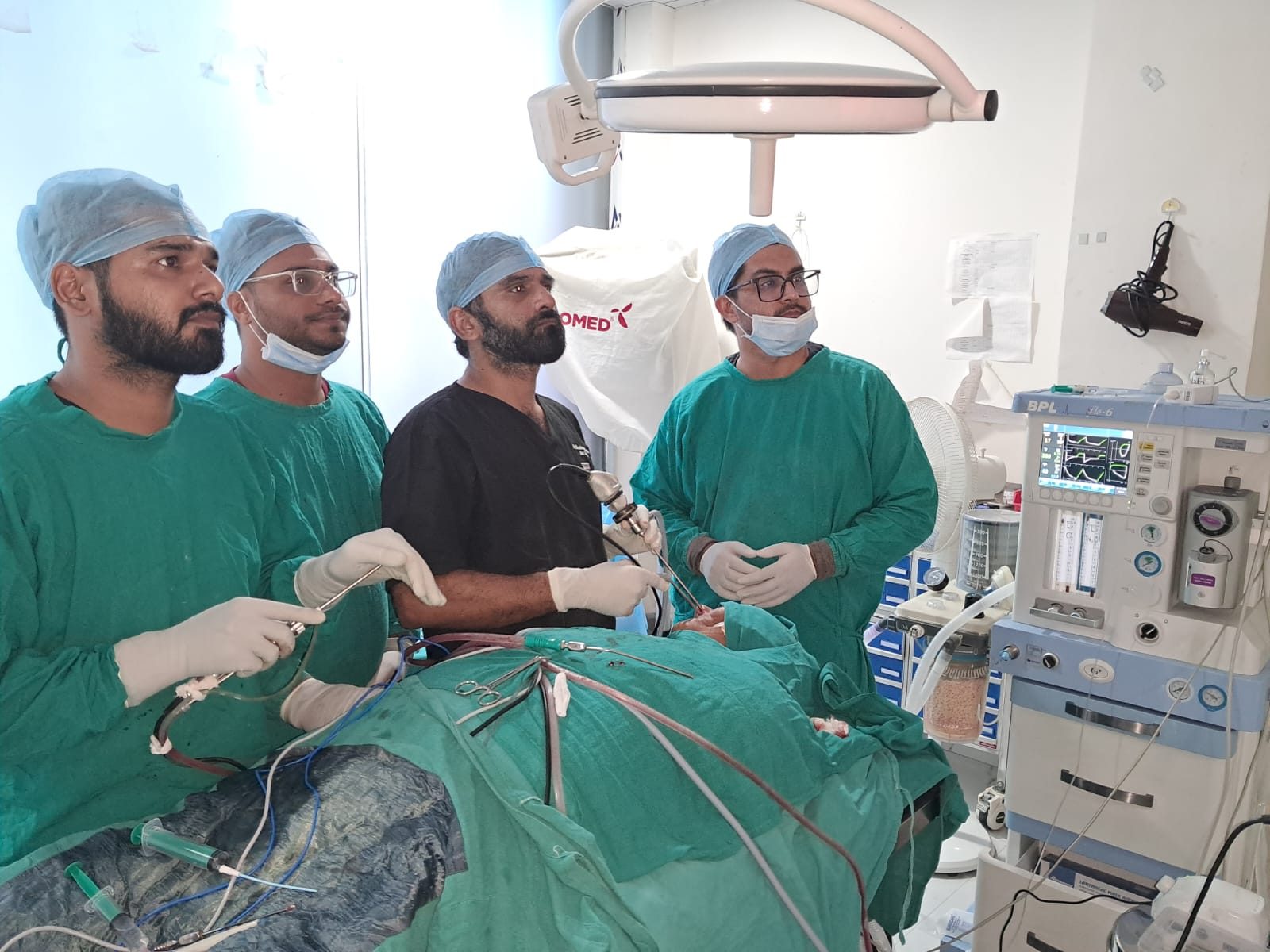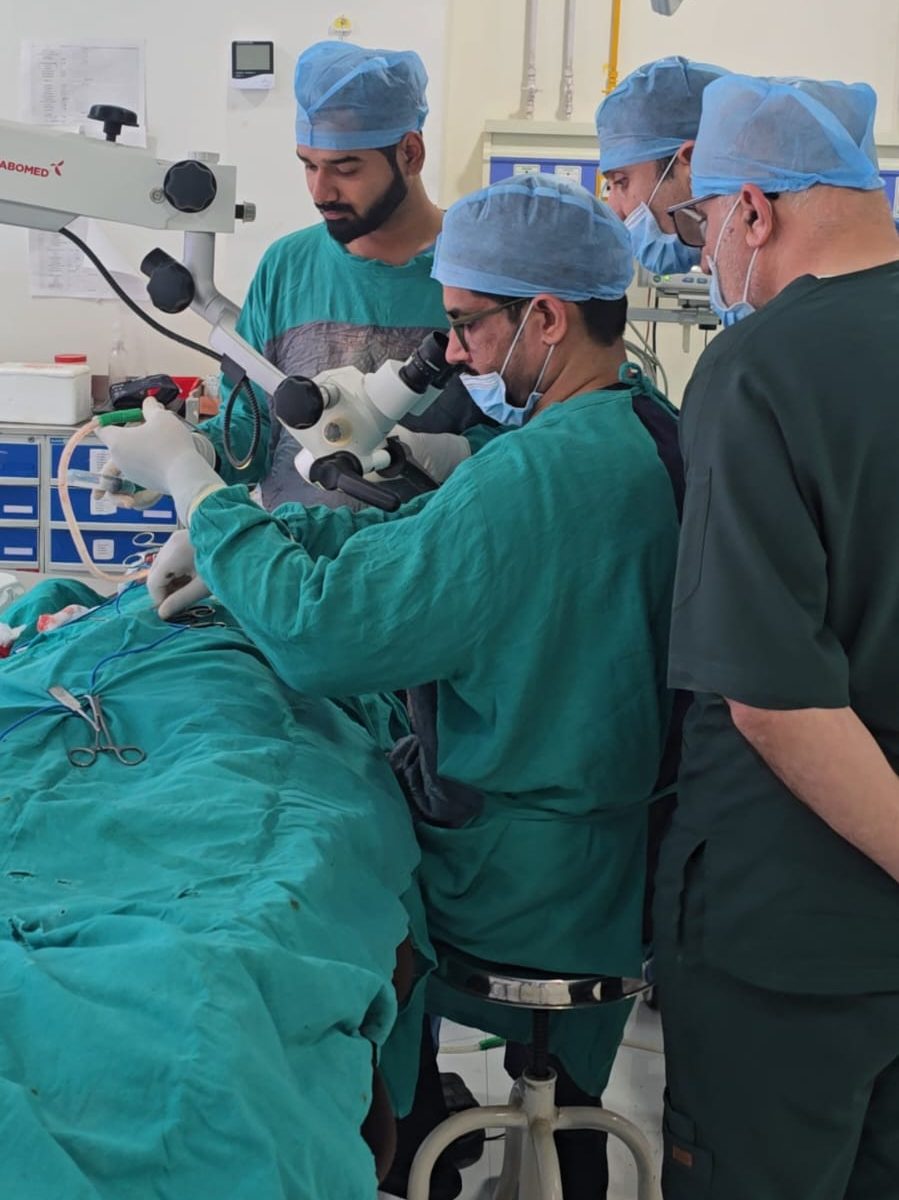
Comprehensive ENT with advanced surgical depth.
Care spans first-contact ENT, focused diagnostics, complex surgery and multidisciplinary referral pathways. Treatment planning is guided by disease complexity, functional outcomes and the most appropriate level of care.
Four focused pathways for complex care.
Head & Neck Cancer
Surgical oncology, reconstruction, multidisciplinary treatment planning and salvage/revision assessment.
Explore PathwayEndoscopic Skull Base
Selected skull-base disease, CSF leak and anatomically complex sinonasal referral cases.
Explore PathwayCochlear Implant
Candidate selection, imaging, surgery, mapping and coordinated hearing rehabilitation.
Explore PathwayComplex ENT Review
Recurrent, previously operated or diagnostically difficult cases needing structured reassessment.
Explore PathwayAssessment to treatment, with continuity built in.
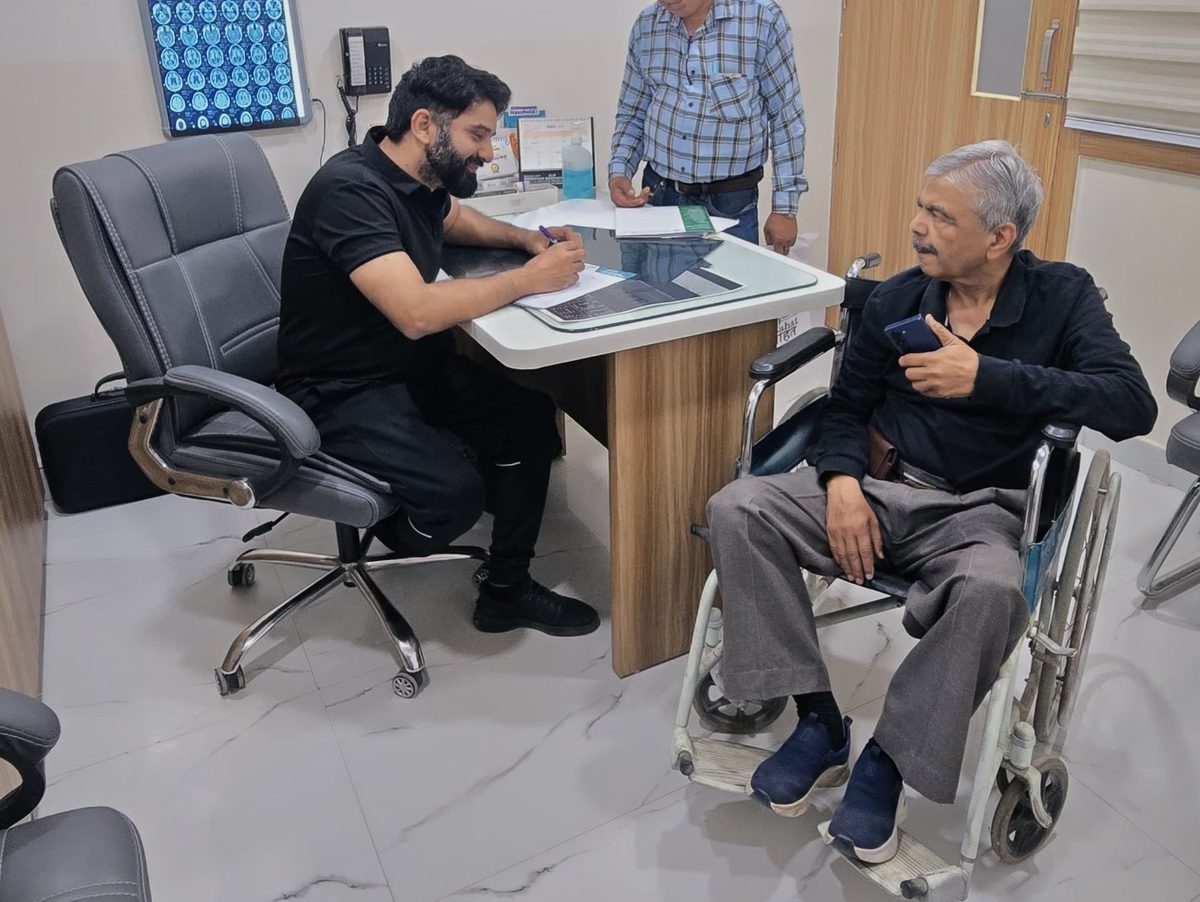
Consultation
History, examination and definition of the principal clinical problem.
Focused diagnostics
Audiology, endoscopy, imaging, pathology or other investigations only when clinically indicated.
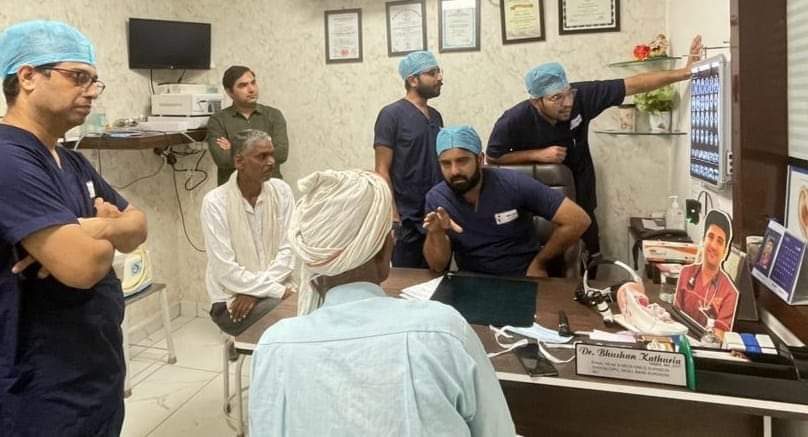
Decision
Medical, surgical, multidisciplinary or observation pathway based on findings and patient priorities.
Intervention
Local treatment or advanced surgery at the most appropriate clinical centre.
Follow-up
Rehabilitation, surveillance and shared care with the local team where suitable.
Comprehensive care beyond the four advanced pathways.
Chronic ear disease, ear surgery, hearing loss and dizziness pathways.
Septal disease, polyps, chronic rhinosinusitis and endoscopic sinus surgery.
Laryngeal, tracheal, voice and swallowing disorders.
Endoscopy, audiology, imaging and pathology integrated into clinical decision-making.
Appropriate escalation
Advanced care is used when it adds clinical value. Routine ENT care and follow-up may remain closer to home, while complex diagnostic or surgical components are referred to the advanced hub.